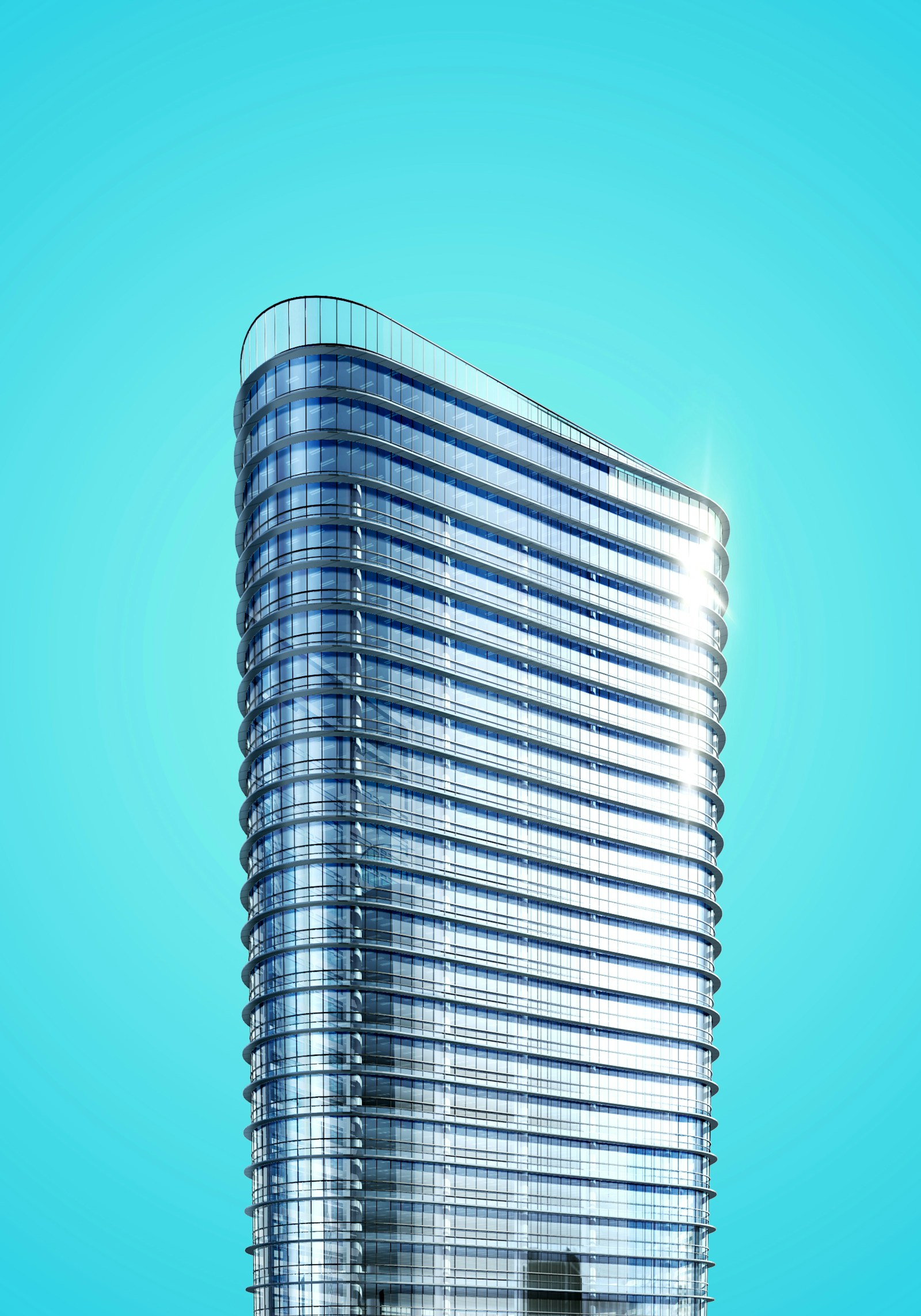
The quickest route home is also the easiest one to forget. Same crossing. Same corner shop. Same stretch of pavement passed with your eyes on a screen. You arrive, but very little of the journey arrives with you.
Yesterday I took a different street. There was no grand reason. The usual crossing was busy and the side road was quiet. Ten minutes later I was looking up at a building I must have walked past a hundred times, noticing how its windows held pieces of the sky.
Leave a little room for the unplanned
We tend to give every spare minute a job. A walk becomes a chance to answer messages. A train ride becomes a chance to catch up. Even rest starts to look like another thing to do efficiently. There is something quietly satisfying about a journey that produces absolutely nothing.
You don't always need a new destination. Sometimes you need a different way of seeing the old one.
On that side street, someone had put a wooden chair beside a doorway. A small plant leaned towards the light. A delivery rider stopped to finish a conversation. None of this was remarkable enough to photograph, which may have been the best thing about it.
An experiment for the next ordinary day
Give yourself fifteen minutes with no practical purpose. Take the next turn instead of the usual one, if it is a comfortable route for you. Leave your headphones off. Notice what a place sounds like before you decide what you think of it.
I got home later than planned. Nothing important changed. But for the first time that week, the city felt like somewhere I lived, rather than something I was moving through.

The conversation.
A different perspective is welcome. Keep it thoughtful and respectful.
Loading comments…